Slab Leak Insurance Help in Redding, CA
Filing an insurance claim for foundation water damage can be one of the most frustrating aspects of homeownership. Understanding how insurance carriers handle a slab leak insurance claim Redding process—and ensuring you have the comprehensive technical documentation required—can make the difference between a covered restoration and an out-of-pocket dispute.
Please note: The information provided on this page is for general educational purposes only. We are plumbing contractors, not licensed public insurance adjusters or attorneys. Insurance policy terms vary widely across California carriers; we strongly advise homeowners to read their specific policy language and speak directly with their insurance provider.
How California Homeowners Insurance Policies Typically Treat Slab Leaks
When asking does homeowners insurance cover slab leaks Redding homeowners must understand how standard property policies divide coverage into three distinct categories:
- 1. The Plumbing Pipe Repair Itself (Usually Excluded): In the vast majority of standard homeowners policies (HO-3 and HO-5 forms), the plumbing pipe that suffered wear, tear, corrosion, or pinholes is considered a standard home maintenance item. The actual cost to solder a new copper section or couple a pipe is typically excluded from insurance coverage and remains the homeowner's responsibility.
- 2. Access and "Tear-Out" Costs (Often Covered): To reach a pipe buried beneath reinforced concrete, someone has to locate the leak, break open the foundation, or open walls. Most standard property policies contain specific "tear-out" language stating the insurer will pay the cost of tearing out and replacing any part of the building necessary to gain physical access to repair the leaking plumbing system.
- 3. Resulting Water Damage (Commonly Covered): If pressurized water escaping from the broken pipe soaked into subflooring, warped hardwood, rotted baseboards, ruined carpets, or damaged drywall and cabinetry, this collateral damage is typically covered under "sudden and accidental" water damage provisions, subject to your policy deductible.
Need Formal Diagnostic Documentation for Your Claim?
Our licensed technicians provide comprehensive technical reports, thermal photos, and acoustic readings that insurance adjusters require.
Call (888) 205-7875 to Request a ReportWhy Thorough Technical Documentation Matters to Your Adjuster
Insurance claims adjusters do not approve payouts based on verbal descriptions; they require verified, objective evidence. When an adjuster examines your claim, having professional slab leak documentation Redding files ready expedites approval and prevents claim denials based on "gradual seepage" exclusions.
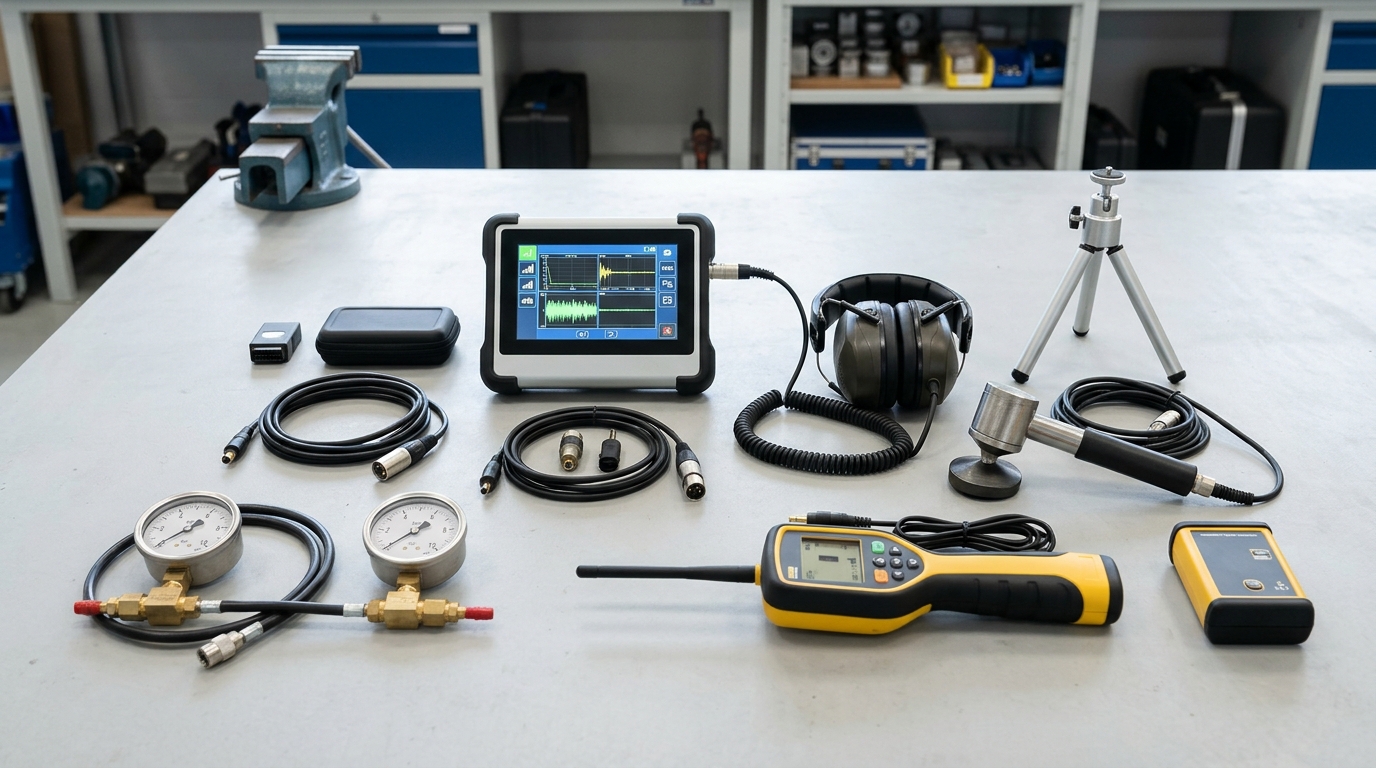
Our comprehensive leak diagnostic package includes:
- Official Written Diagnostic Report: A formal statement detailing the test methods used, including line pressure loss data, meter flow verification, and pipe isolation results confirming an active, pressurized domestic leak.
- Infrared Thermal Imaging Captures: High-resolution thermal images documenting the heat gradient and exact trajectory of the subterranean hot water line.
- Acoustic Listening and Location Diagrams: An annotated floor plan showing the exact location and depth where electronic equipment isolated the leak.
- Calibrated Moisture Meter Logs: Documented percentage readings of moisture trapped inside subflooring, floor coverings, and baseboards to establish the perimeter of resulting water damage.
Steps Homeowners Should Take Right Away
If you suspect a foundation water leak and plan to contact your insurance carrier, follow this strategic sequence:
- Mitigate Further Damage: Shut off the home's main water supply or isolate the leaking branch to halt continuous water intrusion. Failure to take reasonable steps to prevent further damage can give adjusters grounds to reduce settlement payouts.
- Take Immediate Photos and Video: Record high-resolution photos of damp flooring, peeling paint, warped floorboards, and the water meter spinning before any demolition begins.
- Call for Non-Invasive Professional Detection: Schedule specialized slab leak detection so you have a certified technical report in hand before the adjuster inspects the home.
- Notify Your Insurance Provider: Report the sudden water loss promptly, provide your plumber's diagnostic findings, and request a claim number.
- Retain All Damaged Pipe Sections: If direct slab excavation is performed, instruct your plumber to save the corroded pipe segment. Adjusters often ask to inspect the failed pipe to verify that the leak was sudden rather than pre-existing.
In many situations, insurance companies prefer approving an overhead slab leak reroute because bypassing the line through the attic is often less costly than paying for extensive concrete demolition, jackhammer labor, and replacing discontinued custom flooring. Speak with your adjuster to see if rerouting falls within your tear-out allowance.
To learn more about your repair options, explore our guides on overhead pipe rerouting, whole-house repiping, or return to our primary slab leak repair in Redding homepage.
Speak With Redding Foundation Leak Technicians
Get the precise technical documentation you need for your insurer. Contact our local team today.
Call (888) 205-7875 for Assistance